2-Point (Lap) Belts
Webbing runs across the pelvis and anchors either side of the seat. Found in centre-rear positions on some vehicles, in certain buses and coaches, and in specific commercial and utility applications.
Product Directory
A working overview of the seat belt and restraint product families found across passenger and commercial vehicles — what each one is, where it is typically used, and what to confirm before enquiring.
01 — Category Index
Each category has a dedicated page covering what the products are, typical applications and the details worth confirming. Product suitability may vary based on vehicle and application.
Two-point and three-point assemblies for passenger vehicles, across front, outer rear and centre rear positions.
View CAT 02Restraint solutions considered for trucks, buses, vans and utility vehicles with heavier duty cycles.
View CAT 03Where an existing assembly is damaged, worn or no longer operating as intended and needs assessment.
View CAT 04Individual elements — webbing, buckles, tongues, retractors and mounting hardware — explained part by part.
View CAT 05How belts are meant to be worn, inspected and maintained — the background behind every product decision.
View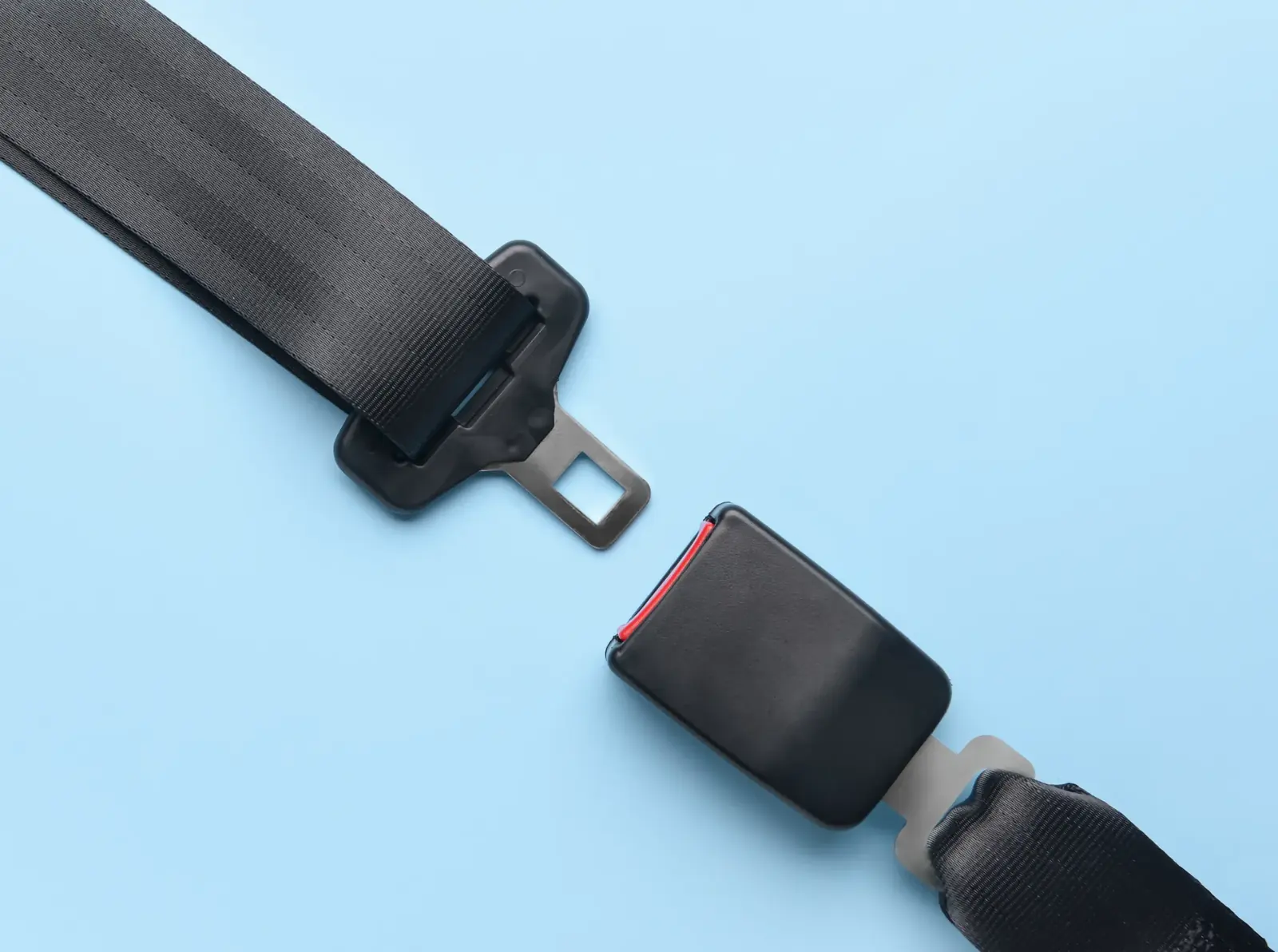 Tongue and buckle · Pre-engagement
02 — Belt Configurations
Configuration describes how many points the belt is anchored at and how the webbing is routed across the occupant. It is the first thing to establish, because it determines everything from webbing length to which hardware is even relevant.
Webbing runs across the pelvis and anchors either side of the seat. Found in centre-rear positions on some vehicles, in certain buses and coaches, and in specific commercial and utility applications.
Combines a lap section with a diagonal shoulder section, anchoring at three points. The standard arrangement for front and outer rear positions in modern passenger vehicles.
Static belts are adjusted manually to length and stay there. Retractable belts store webbing on a spool that takes up slack automatically and locks under defined conditions.
The buckle half may sit on a rigid stalk or on a short flexible strap. The two are not interchangeable — the vehicle's seat design decides which belongs.
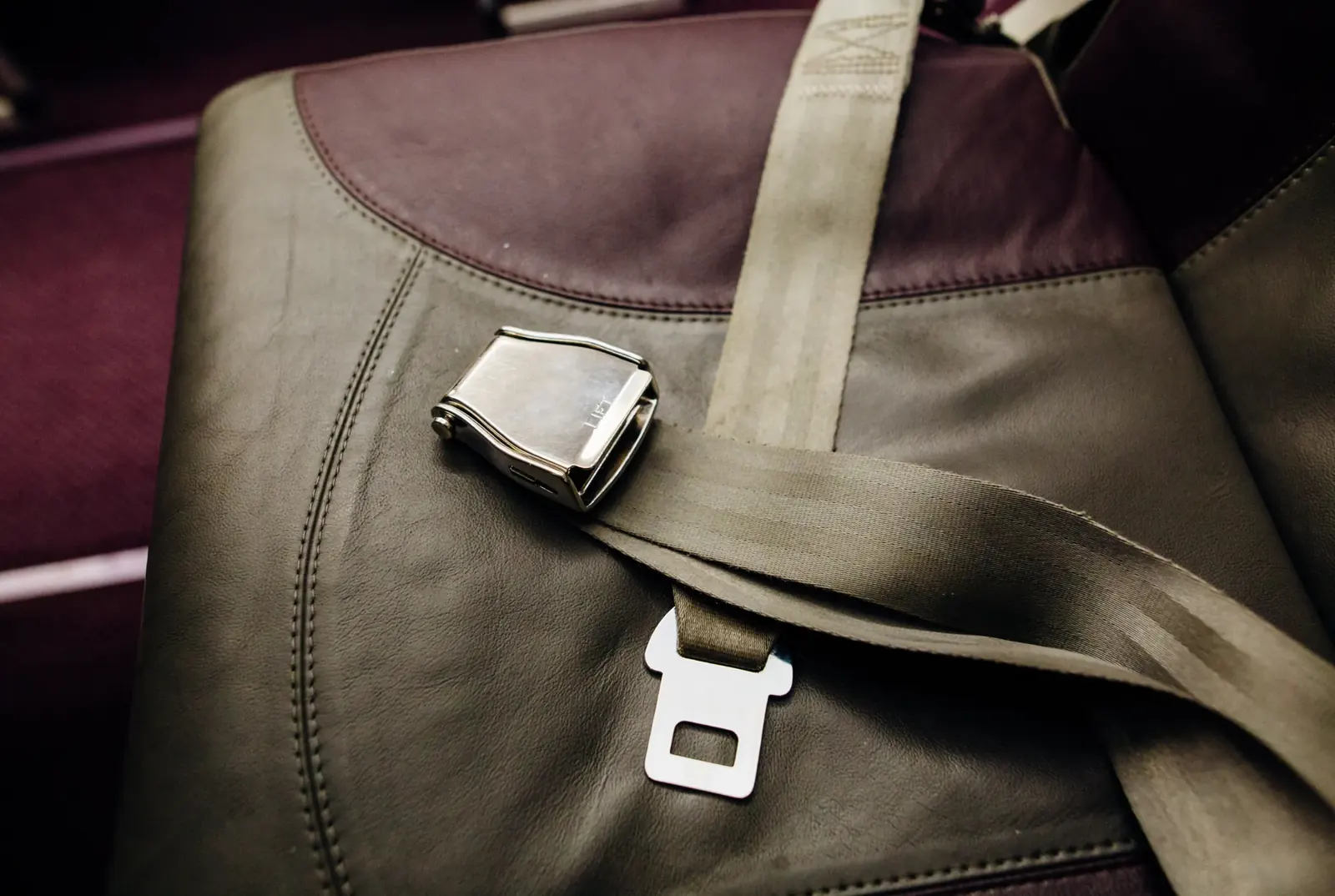 Two-point lap belt · Lever buckle
03 — Lap Belt Applications
Two-point lap belts are sometimes assumed to be outdated. In reality they remain the specified restraint in a number of legitimate applications, particularly where seating layout, vehicle structure or the absence of a suitable upper anchorage makes a three-point arrangement impractical.
Typical examples include certain centre-rear seating positions, some passenger seating in buses and coaches, and specific commercial, utility and specialised vehicle seats. In each case the choice follows the vehicle's design rather than preference.
04 — Component-Level Products
Enquiries often concern one element rather than a whole belt. These are the component families that come up most often.
The woven strap itself, normally supplied in defined widths. Weave, finish and colour vary, and length requirements are always vehicle-specific.
The receiving half of the latch, on a rigid stalk or flexible strap. Stalk length, mounting eye and bolt size all follow the vehicle.
The spool assembly that stores webbing and manages slack. Locking behaviour and mounting orientation differ by design.
Latch plates, guide loops, anchor plates and mounting bolts — small parts whose dimensions are anything but generic.
05 — Before You Enquire
Three groups of information cover almost every seat belt enquiry.
Make, model, variant and year. A VIN or chassis number narrows things further where generations overlap. For commercial vehicles, note the body or cabin type as well.
Which seat, which side, and whether you need a complete assembly or a single component. Left-hand and right-hand items are distinct parts.
Photographs of the existing belt, buckle and mounting, plus any markings or part numbers on the webbing label or hardware. These resolve more questions than any description.
Product Enquiries
Send the details you have. If something is missing, we will tell you exactly what else is needed rather than guessing.